Did you know that strokes are the leading cause of death and the most common cause for serious adult disability in the U.S., according to the National Institute on Aging (NIH)? If your loved one has recently suffered a stroke, keep reading to learn more about the stroke recovery timeline. Plus, get tips on how you can be supportive at this difficult time.
What Is A Stroke?
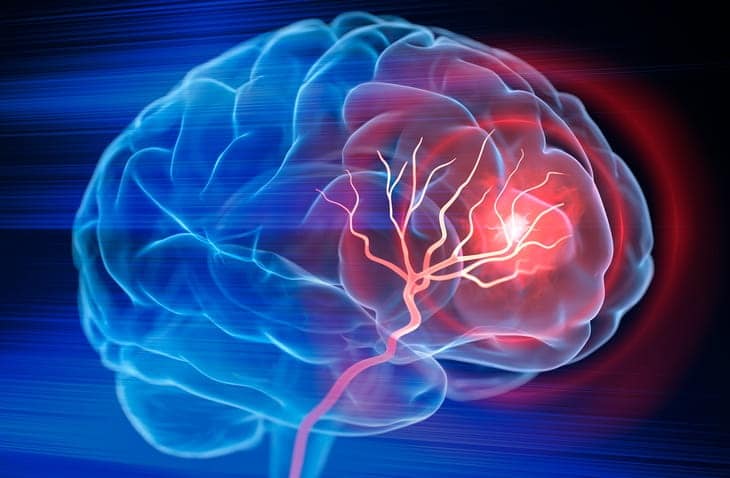
According to the Mayo Clinic, a stroke is when something goes wrong with the blood supply leading to or inside the brain that causes brain cells to die. If too many brain cells die, the brain damage can become permanent, leading to permanent disabilities and, in severe cases, even death. While anyone can have a stroke, strokes are more likely to happen to people 55 or older.
There are two main types of strokes:
Ischemic Stroke
An ischemic stroke is the most common type of stroke. This type of stroke occurs when the blood vessels that lead to the brain become too narrow or blocked. The blockage causes reduced blood flow to the brain (also known as ischemia). When the brain doesn’t get enough blood, it doesn’t get enough oxygen. The brain being deprived of oxygen causes brain cells to die. A blockage in the blood vessels leading to the brain is usually caused by fatty deposits, other debris in the blood, or a blood clot.
Hemorrhagic Stroke
This type of stroke is when blood vessels inside the brain rupture (or leak), which leads to bleeding inside the brain (also known as brain hemorrhage).
What Does The Stroke Recovery Timeline Look Like For Seniors?
According to the NIH, every patient’s stroke recovery timeline will be different, depending on the extent of the damage, their age, and other underlying issues. A stroke can cause a wide range of disabilities and/or medical issues. Which issues a stroke patient has will vary greatly, depending on which part of the brain was damaged by the stroke.
Stroke patients may experience multiple symptoms, including:
- Paralysis (generally on one side of the body)
- Weakness (generally on one side of the body)
- Struggles with speech
- Pain
- Numbness
- Trouble with swallowing
- Memory issues
- Struggles with cognitive functions, such as trouble thinking and holding attention
- Fatigue
- Depression
Post-Stroke Rehabilitation
According to the NIH, in most cases, rehabilitation will begin at the hospital and then continue at home or at a skilled nursing facility (either as a temporary resident or on an outpatient basis). The goal of rehabilitation is to encourage your brain to rewire itself (a process known as neuroplasticity) and relearn functions that were lost during the stroke.
Rehabilitation therapy can lead to improvements within months, but sometimes it can take years. Post stroke, a patient’s rehabilitation plan may have one or more of the following elements:
Physical Therapy
After a stroke, physical therapy may be used to reteach a patient to safely and efficiently walk, sit down, stand up, and move effectively, while preventing injury.
Occupational Therapy
The role of occupational therapy is to re-teach patients to do everyday tasks, such as safely eating, dressing, grooming, reading, writing, using the toilet, or any other day-to-day tasks they can no longer do independently.
Speech Therapy
If speech and language have been affected by the stroke, speech therapy will reteach patients to speak, use language properly, and/or how to swallow safely.
How Can I Help My Elderly Loved One After A Stroke?
In the early days, the best way to help your elderly loved one is by ensuring they get enough rest and follow their treatment plan. This may look like assisting them to get dressed, eat, bathe, help them take their medication, and even move around.
According to Johns Hopkins Medicine, the typical hospital stay after having a stroke is somewhere between five to seven days. During this time, it will be determined what type of stroke they had, and a treatment plan will be put in place. Depending on the type and severity of the stroke, your loved one may need to spend time in the intensive care unit (ICU). If it was an ischemic stroke and they make it to the hospital in time, “clot busting” medications will be administered to reduce the severity of the stroke.
According to Dr. Raghavan with Johns Hopkins, stroke rehabilitation should begin as soon as possible after whatever caused the stroke has been properly treated. She notes that rehabilitation is “vital to stroke recovery.” Elderly stroke victims should be provided with dedicated care following their stroke to ensure the best recovery possible.
How Long Does It Take For An Elderly Person To Recover From A Stroke?
Elderly stroke victims aged 65 and older can have varying recovery times. Typically, however, the older an individual is and the more severe their stroke, the longer the recovery process will be. Due to underlying conditions, reduced healing times, and other age-related factors, it can take an elderly stroke victim anywhere from six to 12 months to see a full recovery.
Generally, the most progress in recovery is made within the first three to six months of recovery. However, according to the Mayo Clinic, there is evidence that improved performance can be achieved up to 18 months after a stroke. So, it’s important for patients to not lose hope if they are still struggling with symptoms even after the 6-month mark.
It’s also important to remember that having a solid rehabilitation plan in place, following that plan, and having access to a medical support system can all influence overall recovery time. Because this is an older age to have a stroke, it is not entirely unusual to have a longer recovery time. Patience, persistence, and sticking to a recovery plan are key to a successful recovery from strokes in older people.
Be Aware Of And Prepare For Possible Recovery Setbacks
With age comes more risk factors, such as more underlying conditions, weakened immunity, less energy, etc. These issues make major setbacks, such as a secondary stroke, a heart attack, or developing pneumonia more likely. They can also make emotional distress and depression more rampant.
If certain setbacks happen, rehabilitation will have to be put on hold to recover, which can be extremely discouraging for the patient.
Offering emotional support and encouragement to your loved one as they discuss altering their rehabilitation goals with their care team can make a huge difference. Remind your loved one that, while these setbacks can impact an individual’s recovery, this does not mean their path to recovery won’t continue.
What Helps Make Stroke Recovery Faster?
A stroke victim may suffer a brain injury that requires the brain to create new neural pathways to regain physical and emotional functions that were lost because of the stroke. Ensuring your elderly loved one receives consistent medical care is the best way to keep their brain and body engaged to encourage critical brain healing.
According to the American Heart Association, the following gives your loved one the best chance of recovering within the first 90-days:
- Regularly seeing their doctor for monitoring.
- Taking all prescribed medications as directed.
- Making lifestyle adjustments, such as avoiding alcohol, tobacco, and stress.
- Maintaining a heart-healthy diet.
- Being committed to their rehabilitation program.
- Being open to seeking counseling, therapy, or a support group to work through their emotions about their changing health.
How Haven Health Can Support Recovery
Haven Health understands that every patient is unique and, therefore, every patient’s treatment should be catered to their needs. This is why Haven Health offers customizable treatment plans from our professional and highly trained staff. We strive to provide comprehensive services to make your recovery as comfortable as possible.
At Haven Health, you will find onsite rehabilitation services, such as:
- Physical therapy
- Occupational therapy
- Speech therapy
- Behavioral therapy
No Caregiver At Home? Stay At An Assisted Living Facility While You Recover
Haven Health offers assisted living services, provided by our skilled nursing staff, which includes access to memory care, when necessary. An assisted living facility can also play a critical role in helping an elderly stroke victim recover.
The long-term care services provided at Haven Health include:
- 24/7 access to skilled nursing care.
- 24/7 observation (if required).
- Assistance with daily living activities (grooming, hygiene, etc.).
- Full-service dining.
- Medical management.
- Transportation options.
- Onsite activities for socializing/enjoyment.
Stroke recovery for an elderly patient can be a long and daunting task. But with the support of loved ones, a great care team, and a commitment to rehabilitation at a skilled nursing facility, like Haven Health, your loved one will have the best chance of recovery.
Sources:
Raghavan, P. (n.d.). Stroke Recovery Timeline.
Stroke. (2024).
Stroke: Signs, Causes, and Treatment. (2023).
Survived a stroke? How to heal in the first 90 days. (n.d.).