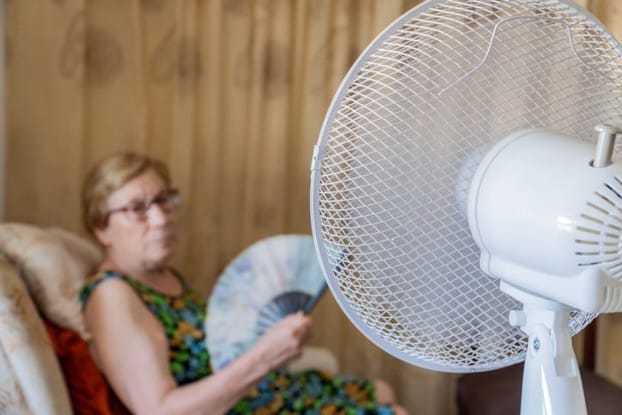
Extreme temperatures pose significant health risks for older adults. Since Arizona is known for extreme temperatures, older adults are at greater risk of heat-related health issues.
Those with older loved ones and those who work with older adults must be aware of the risks and steps to take to prevent heat-related health issues.
Understanding how to ensure elderly persons’ safety during the hot summer months begins with understanding the relationship between heat and the elderly and what temperatures are too hot for them.
Why Older Adults Are More Sensitive To Temperature
Adults over 60 account for 80% of heat-related deaths in the U.S. Reasons older adults are more vulnerable to extreme temperatures include:
- Chronic health issues: Older adults have a greater risk of having chronic health conditions, such as dementia, that can affect the way the human body responds to heat and impedes its ability to regulate its temperature.
- Cognitive decline: Older adults may not be aware of extreme temperatures or realize they’re dehydrated.
- Heat retention and slower temperature regulation: As people age, they experience changes to sweat glands, muscle mass, and other parts of the human body that affect their ability to regulate their temperature. Poor circulation also contributes to heat retention.
- Side effects of medication: The increased risk of chronic health conditions means older adults have a higher likelihood of using medications that prevent their bodies from regulating their temperature.
What Temperature Is Dangerous For Elderly Adults?
Keeping elderly people safe means knowing what temperatures are dangerous for them.
Heat Risks
Temperatures above 90 degrees may pose a risk to anyone; however, older adults can develop heat-related health issues without exposure to high temperatures due to underlying health conditions, medication changes, and changes to their bodies.
Warning Signs of Heat-Related Illness
You can determine that an older adult is facing heat risks by their symptoms, which can include:
- Symptoms of heat edema:
- Swollen ankles
- Swollen feet
- Symptoms of heat exhaustion:
- Cold, clammy skin
- Dizziness
- Excessive sweating
- Lack of coordination
- Nausea
- Thirst
- Vomiting
- Weakness
- Symptoms of heat stroke:
- Body temperature over 104 degrees
- Confusion
- Fainting
- Lack of sweat
- Rapid or weak pulse
Cold Risks
Temperatures below freezing (32 degrees) also pose a health risk, but older adults can develop hypothermia from extended exposure to indoor temperatures between 60 and 65 degrees.
Hypothermia is serious because it means your body temperature is losing more heat than your body is producing.
Warning Signs of Cold-Related Illness
Signs of hypothermia include:
- Confusion
- Drowsiness
- Exhaustion
- Issues with coordination
- Shivering
- Slurred speech
How To Protect Seniors From Extreme Temperatures
You can help protect older adults from extreme heat by taking the following steps:
- Ensure they dress appropriately: Ideal clothing should feature light colors. Appropriate clothing and accessories for high temperatures include:
- Breathable, lightweight shirts and pants
- Hats
- Sunscreen
- Sunglasses
- Maintain suitable indoor temperatures: Ideal indoor temperatures are between 68 and 78 degrees.
- Monitor medications: Check for medication side effects that could compound the health risks posed by high temperatures.
- Prevent dehydration: Ensure older adults drink water regularly, even if they don’t feel thirsty.
You can also help protect older adults from developing hypothermia or getting frostbite by taking the following steps:
- Check the home’s temperature during cold weather events.
- Ensure they have warm clothing and blankets.
- Ensure they have outdoor clothing appropriate for the weather, such as gloves, scarves, hats, and coats.
Whether you’re dealing with high or low temperatures, it’s important to check on older adults regularly to ensure their safety.
When Medical Attention Is Needed
Older adults need medical attention if their body temperature falls outside the normal range for the elderly, which is 96.4 to 98.5 degrees. You should also seek medical care if an older adult shows signs of temperature-related health issues, such as:
- Heat stroke:
- Severe symptoms include:
- Confusion/altered mental state
- Fainting
- Rapid or weak pulse
- Hypothermia:
- Symptoms include:
- Body temperature drops below 95 degrees
- Confusion
- Drowsiness
- Shivering
- Slurred speech
- Symptoms include:
- Severe symptoms include:
How Skilled Nursing Can Help
Older adults with health issues receive expert care in skilled nursing facilities. Skilled nursing teams include doctors and registered nurses. These teams provide around-the-clock monitoring to help vulnerable residents stay healthy.
Skilled nursing staff encourage residents to drink water and stay hydrated. They also monitor residents for signs of temperature-related health issues and ensure qualified medical professionals perform regular health assessments as needed.
In addition to monitoring residents and responding to any signs of health issues, skilled nursing teams provide expert recovery care as residents recover from or learn to manage the health issues that brought them to skilled nursing.
Staff also provide expert recovery care to residents who develop health issues during their stay at the skilled nursing facility.
Why Choose Haven Health?
Older adults with health issues benefit from staying at a skilled nursing facility where they have the expert support needed to promote their recovery.
At Haven Health, our team includes highly trained, experienced medical professionals and expert caregivers who work together to support residents and help them achieve their recovery goals.
We provide comprehensive, tailored care to ensure the highest quality for each resident.
We also encourage family members to be involved in their loved one’s recovery and promote open communication, ensuring they can support their loved ones when they return home.
Lastly, we have several locations in Arizona, ensuring your loved one can receive expert support in an ideal location.
Sources:
Cold Weather Health and Safety. (2026).
Dutchen, S. (2021). The Effects of Heat on Older Adults.
Heat and Older Adults (Aged 65+). (2024).