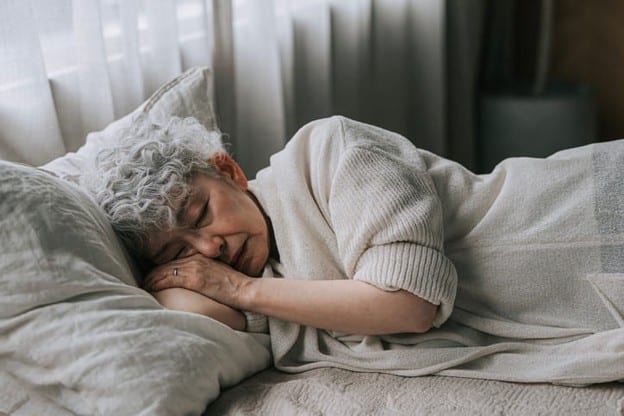
People experience physical changes as they age. These changes extend beyond wrinkles and gray hair. For instance, some older adults experience excessive sleepiness, causing them to sleep during the daytime. Excessive sleepiness can result in a greater risk of developing serious health issues.
Sudden excessive sleepiness in elderly people can be a symptom of serious health issues. Excessive sleepiness may also cause or exacerbate health issues. Understanding what causes excessive sleepiness in seniors can help you determine why you or a senior loved one is struggling with it and whether medical treatment is required.
What Is Excessive Sleepiness In Seniors?
It’s normal to feel tired after physical exertion or lack of sleep. Normal fatigue is usually resolved with rest. However, it’s not normal to feel tired all the time without cause. When a senior is fatigued and wants to sleep during their favorite activities or times of the day, it’s a sign of excessive sleepiness.
Aging impacts sleep patterns. Older adults typically have less exposure to sunlight, which affects their circadian rhythms. Hormonal changes and the impact of aging on the hypothalamus can also alter sleep patterns.
Common Causes Of Excessive Sleepiness
Common reasons for excessive sleepiness in elderly persons include the following:
- Anxiety, depression, and other mental health issues. Loneliness, grief, depression, and anxiety can cause fatigue.
- Chronic health issues, such as infections. Urinary tract infections can disrupt sleep patterns due to the need to urinate frequently throughout the night.
- Medical treatment. People feel fatigue when their bodies are healing or when they’re receiving treatments, such as chemotherapy.
- Many medications cause fatigue.
- Nutritional deficiencies. Lack of iron causes fatigue.
- Poor sleep. Insufficient sleep can cause fatigue and brain fog.
- Sleep disorders, such as sleep apnea. Sleep disorders can prevent people from falling asleep or cause them to wake up repeatedly throughout the night, interfering with the amount and quality of sleep they get.
Signs That May Require Medical Attention
Behavioral, cognitive, and physical signs that an older adult requires medical attention for excessive sleepiness include:
- Choking sounds when sleeping.
- Decline in
- Decreased ability to perform daily self-care tasks.
- Inability to stay awake during daytime activities.
- Loud
- Memory loss.
- Significant increase in time spent sleeping.
- Sleeping during mealtimes.
- Withdrawal from social activities.
How Excessive Sleepiness Can Affect Seniors
Excessive sleepiness can affect seniors in multiple ways, including the following:
- Greater risk of health problems, such as heart disease.
- Inability to concentrate, which impairs their ability to socialize.
- Increased risk of falling.
- Mobility issues.
- Reduced independence.
- Reduced quality of life.
- Social isolation.
How Skilled Nursing Care Can Help
Skilled nursing facilities provide older adults with support for various health issues, including excessive sleepiness.
Ways skilled nursing teams support seniors dealing with excessive sleepiness include:
- Communicating and coordinating care with healthcare providers.
- Managing their medications and monitoring them for side effects.
- Monitoring them for signs of other health issues and changes to their health.
- Support with daily living tasks.
In addition to providing customized medical care, skilled nursing teams provide activities and promote social engagement throughout the day. Staff monitor residents to determine if they’re engaged or if excessive sleepiness interferes with their daily routine.
How Haven Health Supports Residents
Haven Health provides around-the-clock support for residents and their families.
Ways we support residents include:
- Creating personalized care plans. We customize each resident’s plan according to their health needs and treatment goals.
- Providing a safe environment. At Haven Health, we provide each resident with a safe environment designed to minimize their risk of injury. We strive to ensure each resident’s comfort so they can thrive while residing at Haven Health.
- Performing regular health assessments. Our medical teams regularly assess each resident’s progress and overall health, ensuring we adjust care plans as needed.
Haven Health also prioritizes communication with residents and their families. We encourage family members to be actively involved with their loved one’s treatments so they can support treatments during visits and know how to support their loved one if they transition home or to assisted living.
Benefits For Families
Families benefit in multiple ways when their loved ones receive support from skilled nursing professionals.
Ways the families of those with excessive sleepiness benefit include:
- Awareness of sleep patterns, enabling them to identify changes to those patterns and the potential causes and implications of those changes.
- Peace of mind from knowing experts are monitoring their loved ones.
- Peace of mind from knowing their loved ones are receiving expert care from skilled nursing professionals.
Haven Health helps family members understand the underlying causes of excessive sleepiness and other conditions. It helps residents receive appropriate medical care to determine the cause and how to treat it.
Sources:
Fatigue in Older Adults. (2023).
Newsom, R. (2026). Aging and Sleep.
Older Adults. (2024).