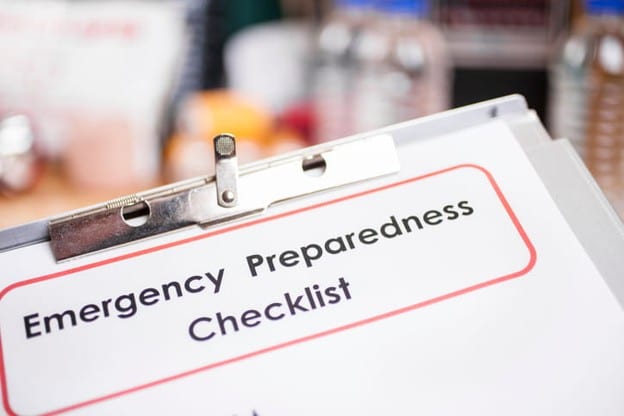
Senior emergency preparedness is as important as it is overlooked. Just as you might have a plan for a natural disaster at your home, it’s important to have a plan for what happens in the event of a medical emergency or other downturn in the health of your elderly family members.
Having a plan ensures that, in the heat of the moment, the best decisions are made. Having a plan also allows for greater confidence in choosing the right level of care for your loved one’s unique needs and can reduce everyone’s stress levels in uncertain times.
When it comes time to consider skilled nursing or memory care for your loved ones in Arizona, think Haven Health. We offer multiple, conveniently located facilities across the state, so your loved ones are always close to home when receiving care.
Why Every Family Caregiver Should Have A Senior Emergency Plan
Having an emergency plan makes stressful situations much less difficult. Having a plan also allows for faster, more informed decisions during a medical crisis, less stress during unexpected situations, and peace of mind knowing a plan is in place.
If your loved ones does, or will end up, needing professional help, having a plan also allows for greater confidence in choosing the right level and type of care and smoother transitions from the hospital to skilled nursing, if this is the level of care called for.
Simply, having an emergency plan is no-cost insurance that you and your family can make the right decisions if an emergency comes up.
Common Medical Emergencies That May Require Skilled Nursing
While some people can recover at home after an injury, others will benefit from a higher level of care. Skilled nursing offers around-the-clock nursing care, medication and wound management, and various therapies to help those who have been injured, who are leaving a hospital stay, or have had an illness get back on their feet.
Common medical emergencies that often require skilled nursing care include falls, stroke and heart attacks, and serious or chronic illnesses, like pneumonia or severe infections. Skilled nursing is also often appropriate for those leaving the hospital after an operation or extended stay.
What To Include On Your Checklist
Having essential information at hand before an emergency saves time and stress when decisions need to be made.
Consider collecting all these things in one place:
- List of medications.
- List of medical conditions and diagnoses.
- Medical equipment information.
- Information about dietary restrictions and other personal care.
- Insurance information.
- Contacts for doctors and other healthcare providers.
- Other emergency contacts.
- Legal documents, such as wills and power of attorney forms.
The following ensures there are fewer disagreements in the heat of an emergency. You should have conversations with your loved one and extended family concerning:
- Who can and should make medical decisions.
- Decisions concerning the choice of home care or care homes, such as skilled nursing, memory care, or nursing home care.
- Family caregiving responsibilities.
- Financial considerations.
- Do not resuscitate orders and other end-of-life decisions.
Your family may have more or fewer items on your checklist, depending on your family’s unique situation, but these should serve as a good starting point for conversation.
How To Recognize When A Loved One May Need Skilled Nursing
Skilled nursing is often grouped into two populations — those in recovery who reside in skilled nursing for a short time, and those with chronic illnesses that can’t be taken care of in the home and who are long-term patients. Your loved one may benefit from skilled nursing if they need ongoing medical monitoring that does not rise to the level of hospital care.
For those in recovery, skilled nursing can be appropriate when patients might benefit from therapy, such as speech, physical, or occupational therapy. Skilled nursing is often a necessary stopover between hospital and home after surgery or an extended illness.
Skilled nursing is also appropriate for those with mobility issues. If your loved one struggles to walk around the house or get out of bed or a chair and needs medical care, skilled nursing may be right for them. Skilled nursing can help with the activities of daily living as well, including dressing, bathing, and eating.
How Haven Health Supports Residents And Families During Unexpected Transitions
Being prepared when an emergency happens can make hospitalizations and transitions to skilled nursing less stressful. When it comes time for skilled nursing, Haven Health is your family’s trusted partner in Arizona.
Contact us today with care questions, or to schedule a tour of one of our conveniently located facilities.
Sources:
Skilled Nursing Facility Care. (2026).
Skilled Nursing Facility Services. (2026).
Tolentino, A., et al. (2023). Transition of Care From the Emergency Department to Skilled Nursing Facility: Retrospective Case‐Control Study.