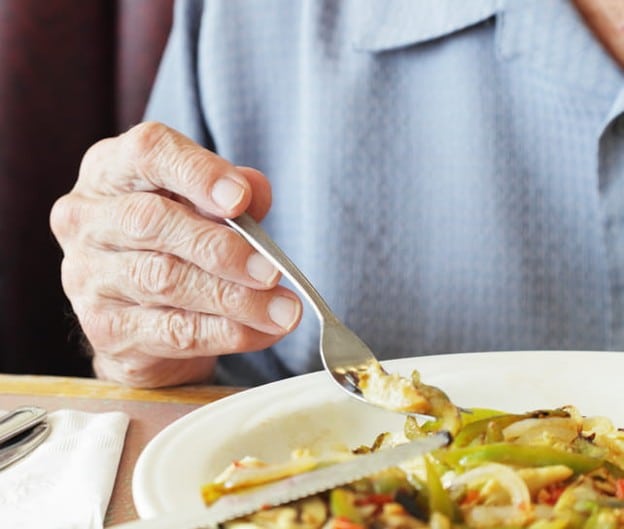
Physical changes accompany aging, and one of the things older adults often struggle with is a loss of taste.
The loss of taste in elderly people can lead to significant health issues, such as depression and nutritional deficiencies.
Familiarity with the signs that your loved one or an older adult you work with has lost their sense of taste, the causes, and how to address it may prevent more serious health issues from developing.
What Is Loss Of Taste?
Hypogeusia is the term for a decreased sense of taste. The person still has some sense of taste, but there’s less flavor than normal. It’s common for older adults to experience some degree of taste loss.
Ageusia refers to completely losing the sense of taste. Those with hypogeusia have some degree of taste, although it’s reduced.
Although the sense of taste diminishes a bit with age, other factors can contribute to hypogeusia, reducing the sense of taste.
Common Causes Of Loss Of Taste In Older Adults
Wondering what causes the loss of taste in elderly people?
Common causes can include:
- Aging
- Allergies
- Alzheimer’s disease
- Bell’s Palsy
- Dental health issues, such as tooth decay
- Diabetes
- Exposure to some chemicals and heavy metals
- Head injuries
- Illnesses, such as colds, the flu, and COVID-19
- Kidney disease
- Liver disease
- Medications, including ACE inhibitors and beta blockers
- Multiple sclerosis
- Nasal polyps
- Parkinson’s disease
- Poor oral hygiene
- Sinusitis
- Smoking cigarettes
- Strep throat
- Stroke
- Thyroid disease
- Vitamin B12 deficiency
How Loss Of Taste Affects Seniors
A reduced ability to taste food can lead to a loss of appetite. The impact of taste loss extends beyond reduced enjoyment of eating. Individuals with hypogeusia or ageusia may not eat enough, causing nutritional deficiencies, weight loss, and, in some cases, malnutrition.
These nutritional challenges can significantly impact a person’s health and quality of life. For example, a person who’s not getting enough vitamin B12 and sodium may develop hypotension.
Symptoms of low blood pressure include:
- Blurred vision
- Dizziness
- Fatigue
- Fainting
- Nausea
These symptoms then create an increased risk of injuries from falls, which may cause older adults to reduce social engagements and spend less time on personal care, affecting their mental health and personal hygiene.
Since the body doesn’t distribute enough nutrient-rich blood when blood pressure is low, it can also cause organ damage.
Signs Families Should Watch For
Spending time with older family members is the most effective way to note symptoms of health issues, such as hypogeusia.
Signs of hypogeusia include:
- Lack of appetite
- Lack of interest in eating
- Unexplained weight loss
Your loved one may also complain about the food being bland, which could indicate they’re affected by a reduced sense of taste.
Ways To Support Healthy Nutrition
You can help your loved one get the nutrients they need with the following steps:
- Encourage them to drink water and avoid dehydration.
- Monitor them during mealtimes to ensure they’re eating enough and enjoying a variety of foods.
- Plan balanced meals to ensure they get enough nutrients.
You can also discuss concerns with their doctor, who can help determine whether secondary factors exacerbating their loss of taste can be addressed. For example, if your loved one is using a medication that can reduce their sense of taste, a medication change may help improve it.
How Skilled Nursing Care Can Help
Older adults dealing with health issues can receive expert medical and personal care in a skilled nursing facility (SNF). The professionals working at SNFs can support residents with hypogeusia in the following ways:
- Continuous health monitoring: SNF staff include doctors, nurses, and licensed therapists. These professionals evaluate residents and their progress and address health issues that arise.
- Medication management: Staff ensure that residents receive the right dose of the correct medication at the right time. SNF staff will also note any potential side effects and report those to the doctors, prompting them to change medications when necessary.
- Nutritional and meal support: Dietitians can develop custom meal plans to ensure residents get enough nutrients and maintain their weight. Staff can also monitor them during mealtimes to ensure they eat enough and stay hydrated.
How Haven Health Supports Residents
Haven Health supports residents by creating and following customized care plans tailored to each resident’s needs.
Staff ensure that residents get enough nutrients and, in addition to supporting their health goals, they support their overall well-being with social opportunities and onsite activities.
Teams also communicate with healthcare professionals as needed and promote open communication with residents’ families to ensure they’re actively involved in their loved ones’ care.
Benefits For Families
Families benefit from the support of Haven Health staff in the following ways:
- They’re educated about health conditions, such as hypogeusia.
- They enjoy the peace of mind that comes from knowing their loved ones are receiving nutritional support.
- They enjoy the peace of mind that comes from knowing medical professionals will identify any health concerns promptly.
Haven Health supports residents’ families by providing quality health and personal care from highly trained professionals.
Sources:
Ageusia. (2026).
Hypogeusia. (2023).