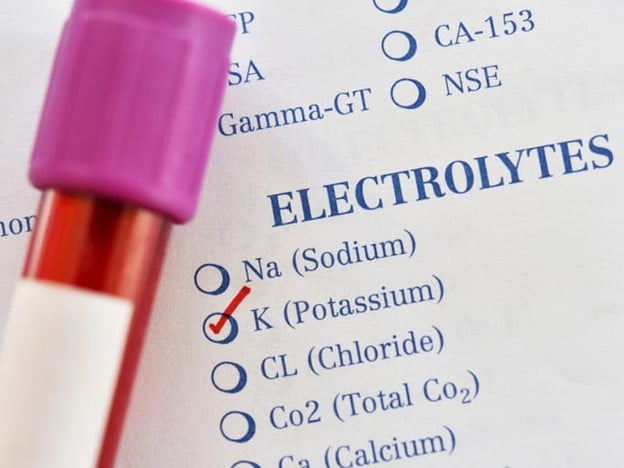
Maintaining the proper balance of minerals in the blood becomes both increasingly important and increasingly difficult as we age. The minerals in our bodies regulate many important bodily functions, and among the most crucial minerals we need is potassium.
Potassium is an electrolyte, meaning it carries an electrical charge. These electrical charges play an essential role in nerve signaling, muscle contractions, and most importantly, heart function.
Dysregulated potassium can lead to a number of serious health conditions, including heart attacks. Because this mineral is both so important and overlooked, today we’ll look at what causes high potassium levels in elderly people and practical tips for seniors and their families to regulate it.
Understanding Potassium And Hyperkalemia In Seniors
Along with sodium, calcium, and magnesium, potassium is an important electrolyte our bodies need to function. However, when potassium levels in the blood become too high, this results in a condition called hyperkalemia. This condition is dangerous and poses serious health risks if left unmanaged.
Unhealthy levels of potassium in the blood unfortunately often have few symptoms, making it harder to track. The best way to understand potassium levels is through blood tests. In some cases, though, when potassium levels become critically high, some symptoms may appear.
Symptoms acute hyperkalemia include:
- Muscle weakness
- Fatigue
- Nausea
- Numbness in the limbs
- Irregular or racing heartbeat
- Breathing difficulties
The most serious condition associated with elevated levels of potassium is called “cardiac arrhythmia.” This is a condition where the heartbeat becomes irregular due to disordered electric signals. It can result in a heart attack and death.
What Causes High Potassium In Elderly Patients?
In most cases, elevated levels of potassium in the bloodstream have more than a single cause. For most seniors, a number of factors collude to increase potassium levels beyond what is healthy.
Diet
While diet alone is rarely the only factor in elevated potassium levels, it can play an important role. Potassium naturally occurs in many foods and paired with other causes on this list can contribute to elevated levels. Two often overlooked sources of potassium are sodium replacements often used by seniors, and electrolyte drinks, tablets, and powers.
Medications
Several medications that are commonly prescribed for seniors can contribute to elevated potassium levels. Medications including ACE inhibitors, diuretics, NSAID’s and some antibiotics can contribute to elevated levels. As seniors often take many of these medications at once, the risk can increase.
Kidney Function
Perhaps the biggest factor in elevated potassium levels in the elderly is due to declining kidney function. While their kidneys clean the blood and help regulate hydration levels, they also play a main role in regulating potassium levels. If the kidneys have been damaged, or if they are becoming less efficient due to the natural effects of aging, they can contribute to elevated levels of potassium.
Dehydration
Potassium levels in the blood can increase due to dehydration. Relative potassium in the body can increase when dehydrated due to its concentration relative to fluid levels. Dehydration is common among seniors because the body loses efficiency in processing water as we age. Additionally, seniors have decreased thirst sensation, various medications can impact hydration, and chronic conditions can affect how the body processes water.
Chronic Conditions
Chronic conditions, especially those that can affect the kidneys, such as diabetes, can negatively impact healthy potassium levels in the body. Diabetes in particular can cause a specific type of kidney damage that affects potassium regulation.
Practical Tips For Seniors And Their Families For Regulating Potassium
One of the best things seniors and their families can do to regulate potassium is through closely watching their diet. Read food labels closely, refrain from using salt substitutes that contain potassium, and always stay well-hydrated.
You should also speak with your doctor about any medications you may be taking and understand the warning signs of acute potassium elevation.
How Haven Health Can Help Your Family
When you choose Haven Health, we monitor both blood levels and diet closely to ensure all of our seniors and patients in general have healthy levels of potassium. When you choose us, you choose the peace of mind knowing that your loved ones will be taken care of in a comprehensive manner that respects the individual, alongside rigorous medical standards.
We offer regular medical and medication reviews, personalized dietary guidance, and well-coordinated care to ensure the best possible outcomes for all our patients. If you’d like to hear more or wish to take a tour of one of our facilities, call Haven Health today.
Sources:
Goia-Nishide, K., et al. (2022). Hyperkalemia in Diabetes Mellitus Setting – PMC – NIH.
Heart Arrhythmia. (2026).
Singh, B., et al. (2025). ACE Inhibitors.