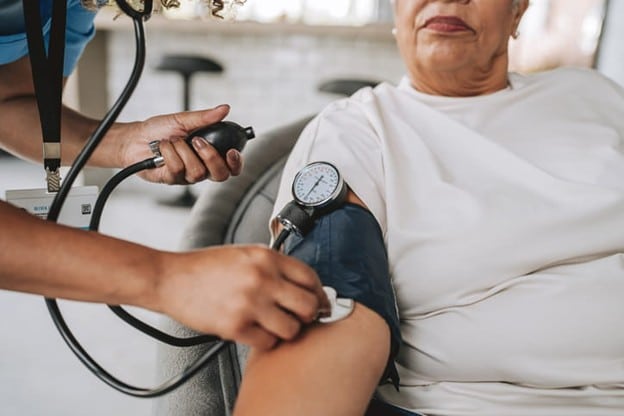
The rate of chronic health issues is greater among older adults. The most common health issue faced by adults 65 and older is high blood pressure (hypertension), affecting 61% of older adults.
However, hypertension isn’t the only blood pressure issue affecting older adults. Over 30% of adults over the age of 70 have low blood pressure (hypotension).
Hypotension can be a sign of serious health issues; consequently, those with hypotension need to understand the common causes of low blood pressure in elderly persons so they can identify the cause and ensure they receive appropriate medical care.
What Is Low Blood Pressure (Hypotension)?
A blood pressure reading of 90/60 mm Hg is considered low. While people can have different baseline blood pressure rates, making what’s low for one fine for another, a blood pressure of 90/60 mm Hg is a concern for older adults who exhibit symptoms of hypotension.
Failing to treat hypotension can be dangerous because, in some cases, hypotension reduces blood flow to your organs, which can cause organ damage.
Why Low Blood Pressure Is A Concern For The Elderly
Reasons hypotension is a health concern for older adults include the following:
- Indication of serious health issues: Hypotension can be a symptom of serious conditions, such as Parkinson’s disease, pulmonary embolisms (PEs), heart failure, heart valve disease, and Addison’s disease.
- Risk of causing health issues: Hypotension causes reduced blood flow, which can lead to organ damage or organ failure. There’s also an increased risk of heart attack, stroke, or heart failure, if you have hypotension.
- Risk of secondary injuries: Hypotension causes dizziness. Some people with hypotension faint. These symptoms pose a fall risk. Each year, millions of older adults need medical care for injuries from falls, and for older adults, some fall-related injuries can be fatal.
Common Causes Of Low Blood Pressure In Seniors
Understanding what causes low blood pressure in elderly people may help you take steps to prevent hypotension.
Common causes of hypotension in older adults include:
- Anemia
- Blood loss
- Dehydration
- Diabetes
- Heart conditions, such as arrhythmias, heart failure, and heart valve disease
- Infection
- Medications, including:
- Antidepressants, such as trazodone
- Antipsychotic medications
- Blood pressure medications, such as diuretics
- Nitrates
- Thyroid disorders
Older adults may also develop hypotension due to a lack of vitamin B12 and folate. Those who’ve been bedridden for an extended period may develop hypotension, and orthostatic hypotension can develop when someone changes their position abruptly. For example, orthostatic hypotension can occur when a person stands up.
Signs And Symptoms To Watch For
Common symptoms of low blood pressure may indicate you have an undiagnosed health issue, such as internal bleeding.
Signs of hypotension to watch for include:
- Blurred vision
- Confusion
- Difficulty concentrating
- Fainting
- Fatigue
- Feeling dizzy or lightheaded
- Injuries from falls
- Upset stomach/nausea
- Weakness
Symptoms of severe hypotension include:
- Pale skin color
- Shallow, rapid breaths
- Skin that’s cold or clammy
- Weak pulse
How Skilled Nursing Can Help
Skilled nursing facilities provide expert short-term care for residents recovering from or adjusting to diagnoses involving severe health issues. Skilled nursing care teams include doctors and nurses, and staff can provide the following care for elderly residents in skilled nursing facilities with low BP:
- Dietary support: Dieticians develop dietary plans that include enough essential nutrients to reduce the risk of hypotension.
- Fall prevention: Skilled nursing facilities provide support for those with mobility issues. Wide, well-lit hallways also help reduce fall risks. Staff are available to provide direct support, and physical therapists teach residents how to use mobility aides, such as walkers.
- Hydration: Skilled nursing staff will encourage residents with low BP to drink enough to stay hydrated.
- Medication management: Medical staff ensure residents receive the right medication on time and adjust medications and dosages, if necessary, if they cause hypotension.
- Mobility support: Physical therapists provide rehabilitative therapy to help individuals at risk of falling, including those with hypotension.
Skilled nursing teams also monitor residents’ vital signs and overall health. These expert caregivers note any symptoms that may indicate hypotension and notify the resident’s doctor to ensure prompt medical intervention.
Skilled nursing doctors can then order tests and perform assessments to identify the cause of hypotension and determine the appropriate treatment.
Why Choose Haven Health In Arizona?
Haven Health’s skilled nursing facilities in Arizona provide expert medical and personal care for older adults dealing with health issues. Our facilities, services, and exceptional team members ensure each resident enjoys the value of being a Haven Health patient.
Haven Health features:
- Highly trained, experienced care teams who prioritize resident care.
- Personalized care plans for every resident, customizing treatment to meet their needs and recovery goals.
At Haven Health, we prioritize the following:
- Resident quality of life: In addition to focusing on their recovery, Haven Health provides social opportunities and activities that residents enjoy.
- Resident recovery: Our priority is supporting residents as they recover from the health issues that prompted the need for skilled nursing care.
- Resident safety: We maintain safe spaces designed to reduce accidents and injuries.
Haven Health has over 20 facilities in locations throughout Arizona, ensuring you or your loved one can access skilled nursing care near your home or family.
Sources:
Facts About Falls. (2026).
Hannemann, K. (2024). 7 Medications That Can Cause Dangerously Low Blood Pressure.
Low Blood Pressure (Hypotension). (2023).
The Top 10 Most Common Chronic Conditions in Older Adults. (2025).